
ENHANCE PLASTIC STABILITY WITH ANNEALING TREATMENT
WHAT IS PLASTIC ANNEALING?
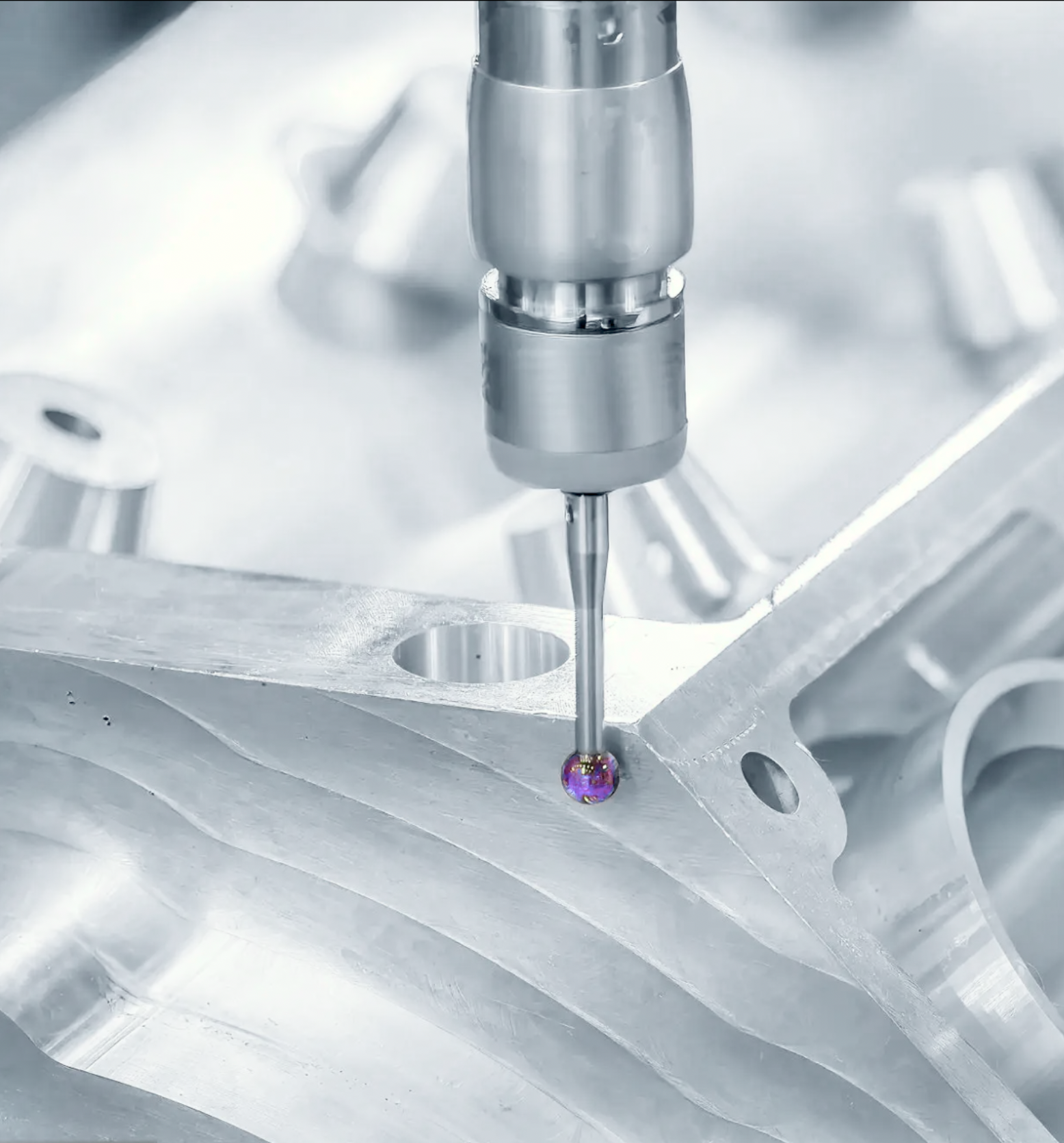
Plastic Annealing is a heat treatment process where plastic materials are heated to a specific temperature, held there, and then cooled slowly to relieve internal stresses. This process is essential for improving the stability and mechanical properties of plastics that may have developed stresses during manufacturing processes like injection molding or machining. Without annealing, these stresses could lead to warping, cracking, crazing or other deformities over time, impacting the reliability and longevity of the plastic components.
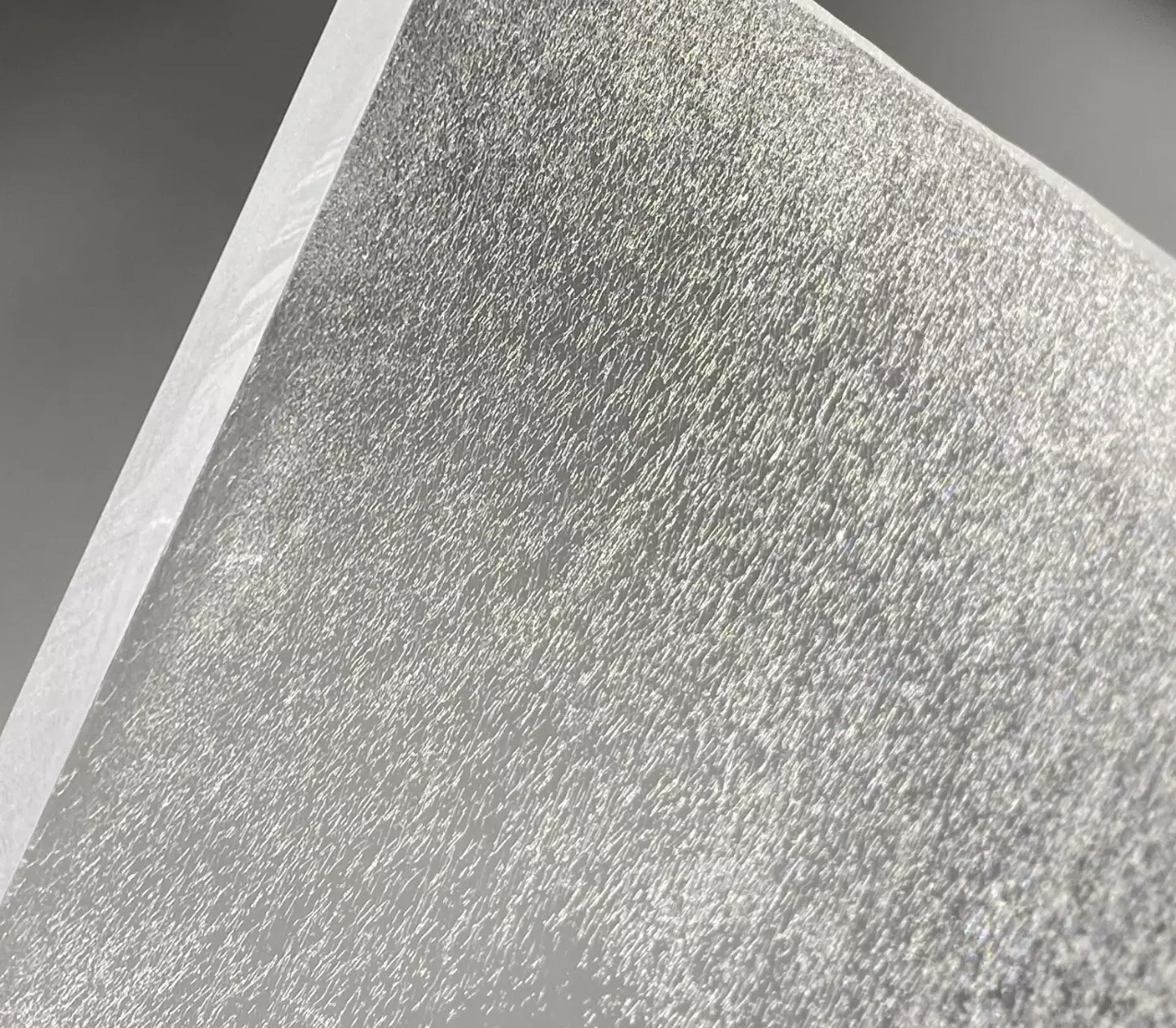
Crazing refers to the formation of tiny cracks or fissures on the surface of a plastic material due to internal stresses, exposure to UV light, or environmental factors. These cracks can compromise the material’s appearance, strength, and overall durability.
By relieving these internal stresses through annealing, the process helps to prevent crazing, ensuring the plastic remains strong, stable, and free from surface defects.
-
Stress Relief: Reduces internal stresses, minimizing the risk of warping, cracking, and structural deformities.
Improved Dimensional Stability: Ensures parts maintain their shape over time, supporting precise fitting and functionality.
Enhanced Mechanical Properties: Increases toughness and durability, making the plastic more resilient to external forces.
Reduced Risk of Failure: Strengthens the material's overall integrity, lowering the chance of part failure under stress.
Longer Lifespan: Extends the lifespan of plastic components by making them more resistant to environmental and operational wear.
Improved Integrity: Strengthens the overall structural integrity of the plastic, which reduces the likelihood of failures or breakage.
Reduced Shrinkage and Expansion: Helps parts maintain consistent dimensions by minimizing size changes due to temperature variations or environmental factors.
Improved Chemical Resistance: Enhances the plastic’s ability to resist degradation or damage when exposed to chemicals.
-
1. Preparation
The plastic part is cleaned to remove any contaminants, such as dust, oils, or residues, which could affect the annealing process.
2. Heating
The plastic is gradually heated to a specific temperature that is below its melting point but high enough to allow the molecular structure to relax. The exact temperature depends on the type of plastic being annealed.
The heating is done uniformly to ensure even stress relief throughout the material.
3. Soaking (Holding Period)
The plastic is held at the target temperature for a specific period, allowing the internal stresses to dissipate. The soaking time varies based on the type and thickness of the plastic, ranging from a few minutes to several hours.
4. Controlled Cooling
The material is slowly cooled down in a controlled manner to prevent new stresses from forming. Rapid cooling or quenching is avoided as it can reintroduce internal stresses.
Cooling is typically done in the same oven to ensure gradual temperature reduction.
5. Post-Processing (Optional)
After annealing, the part can be inspected for any signs of deformation or defects. If necessary, it can be further machined or processed depending on the final application.
This controlled process ensures the plastic becomes more dimensionally stable and structurally robust, reducing the risk of future issues like warping or cracking.
-
1. Medical Industry
Application: Medical devices and components such as surgical tools, diagnostic equipment, and prosthetics.
Reason: To ensure high dimensional accuracy and structural integrity, as even minor deformations can affect functionality or patient safety.
2. Aerospace Industry
Application: Interior components, fasteners, and other precision plastic parts.
Reason: Parts in aircraft must withstand various environmental stresses, so annealing helps maintain their shape and performance over time.
3. Automotive Industry
Application: Engine components, dashboard elements, and plastic fixtures.
Reason: Ensures parts can endure high temperatures and mechanical stresses without warping or cracking, improving vehicle reliability.
4. Electronics Industry
Application: Housings, connectors, and insulative components for electronic devices.
Reason: Reduces the risk of deformation under operational heat and enhances the lifespan of precision parts.
5. Consumer Goods
Application: High-end plastic products such as appliances, eyewear, and furniture components.
Reason: Enhances product durability and prevents failure due to everyday wear and tear.
6. Industrial Machinery
Application: Plastic parts used in machines, such as gears, guides, and conveyor components.
Reason: Ensures parts maintain their structural integrity under continuous mechanical stress and movement.
7. Optical Industry
Application: Lenses and other optical components.
Reason: Prevents warping and ensures the precision needed for clear, undistorted optical performance.
These industries rely on plastic annealing to achieve components that are more stable, durable, and reliable, essential for their applications' safety and efficiency.
-
Several types of plastics can benefit from the annealing process, particularly those used in high-stress or precision applications. Here are some common materials that typically require annealing:
1. Acrylic (PMMA)
Reason: To reduce internal stresses that can lead to cracking or crazing, especially after machining or forming.
Applications: Lenses, display cases, and aquarium panels.
2. Polycarbonate (PC)
Reason: Enhances durability and dimensional stability while minimizing stress that can lead to warping or reduced impact resistance.
Applications: Safety goggles, automotive parts, and electronic housings.
3. Nylon (Polyamide)
Reason: Improves mechanical properties and relieves stresses that can occur during molding or extrusion.
Applications: Gears, bushings, and other mechanical components.
4. Polyethylene Terephthalate (PET)
Reason: Prevents warping and enhances clarity in applications like thin-walled parts or bottles.
Applications: Food and beverage containers, packaging materials.
5. Polyvinyl Chloride (PVC)
Reason: Reduces stresses that may lead to brittleness or cracking over time.
Applications: Pipes, fittings, and construction materials.
6. Acrylonitrile Butadiene Styrene (ABS)
Reason: Improves stability and reduces stress from injection molding or machining, enhancing resistance to cracking.
Applications: Automotive interiors, consumer electronics, and 3D-printed parts.
7. Polyether Ether Ketone (PEEK)
Reason: Enhances thermal stability and mechanical performance, which is crucial for high-performance engineering parts.
Applications: Aerospace and medical device components.
8. Polysulfone (PSU)
Reason: Reduces the internal stresses that can arise during molding, ensuring high strength and stability.
Applications: Medical and laboratory equipment, plumbing components.
9. Polypropylene (PP)
Reason: Reduces internal stresses, which improves the longevity and stability of the parts.
Applications: Automotive parts, medical devices, and packaging.
10. Delrin (Acetal or POM)
Reason: Prevents stress cracking and enhances mechanical properties by relieving the stresses introduced during machining.
Applications: Gears, bearings, and precision parts.
These materials are annealed to improve their dimensional stability, resistance to warping, and mechanical properties, making them more suitable for demanding applications in various industries.


POST MACHINING AIR ANNEALING GUIDELINES
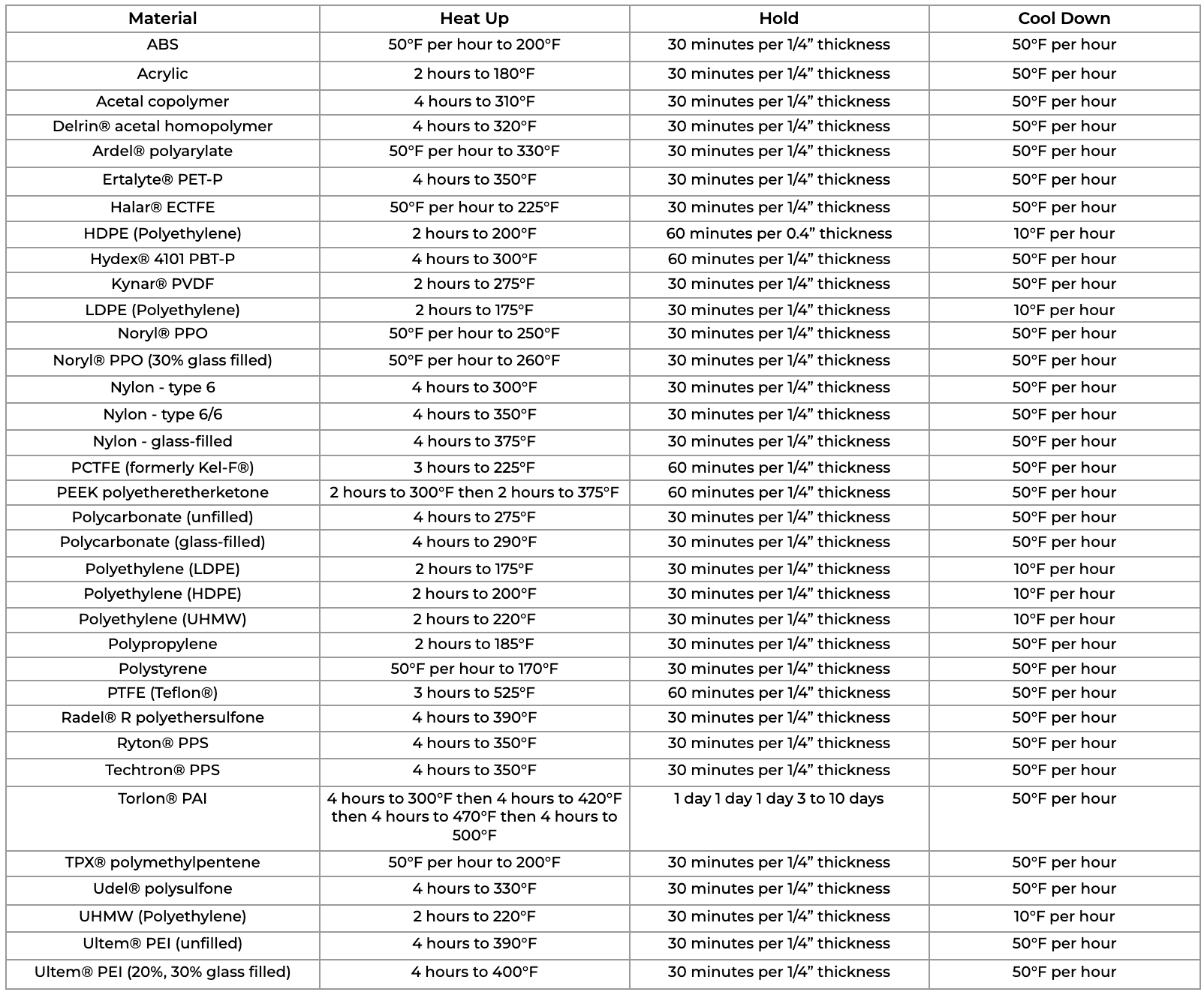
Please note: These are only guidelines. It is up to the purchaser to call out the processes needed on the purchase order. Courtesy of Boedeker Plastics.